
Right Servers Blog
Cloud Service Providers vs. Managed Service Providers: What’s the Difference and Which One Do You Need?
By Editorial Staff
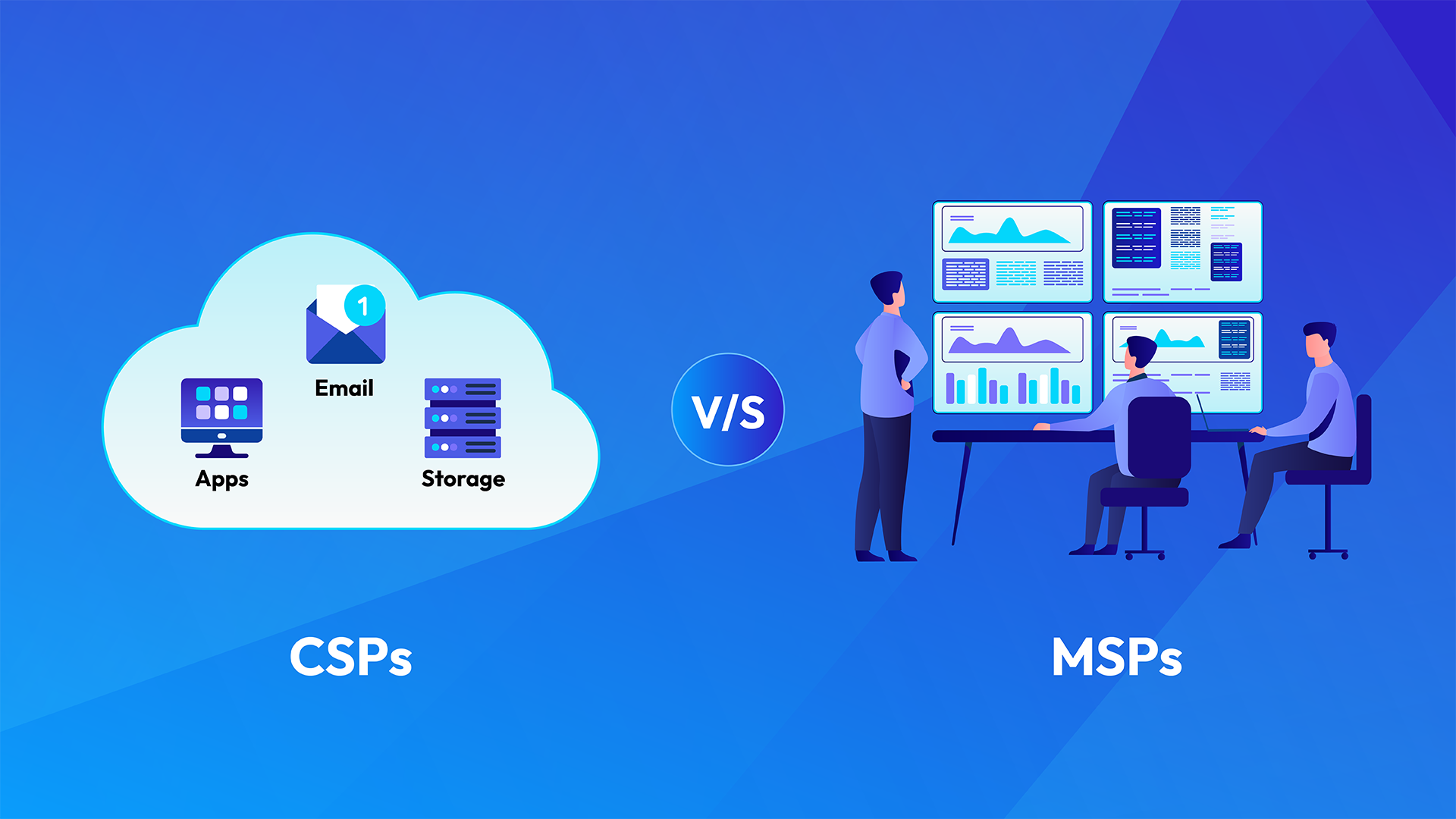
As businesses continue to embrace digital transformation, one major shift stands out: the move to the cloud. Whether it’s to streamline operations, boost remote work capabilities, or cut IT costs, cloud-based solutions are playing a central role in how modern companies operate.
But here’s the catch: not all cloud services are created equal—and neither are the providers that offer them.
For small and medium-sized businesses especially, understanding the differences between Cloud Service Providers (CSPs) and Managed Service Providers (MSPs) can be the key to making smart technology investments.
Let’s break it down.
The Cloud Boom—and the Confusion That Comes With It
Cloud technology offers undeniable benefits: from reducing hardware investments to enabling work-from-anywhere flexibility. It’s no surprise that companies are flocking to cloud platforms to run applications, store data, and power daily business operations.
However, the challenge for many organizations lies not in why to move to the cloud, but in how to do it—and who to trust for the journey.
In today’s IT ecosystem, two types of providers dominate the conversation:
- Cloud Service Providers (CSPs) – Think of names like Microsoft Azure, Amazon Web Services (AWS), Google Cloud, and platforms like Dropbox or Salesforce. These are often categorized under Software as a Service (SaaS) or Infrastructure as a Service (IaaS).
- Managed Service Providers (MSPs) – These are third-party partners who proactively manage your full IT environment. They often use cloud platforms too—but bring a strategic, hands-on approach to your business’s tech needs.
What Are the Benefits of Moving to the Cloud?
Before diving into the differences, let’s revisit why cloud adoption is booming in the first place. Moving to the cloud isn’t just a trendy shift—it’s a transformative decision for any company aiming to scale efficiently and securely.
Here’s what the cloud brings to the table:
Reduced Capital Expenses
Remote Accessibility
High Availability
Enhanced Security
Scalability and Flexibility
Cloud Service Providers vs. Managed Service Providers: What’s the Real Difference?
Here’s where things get interesting.
While cloud service providers give you access to powerful tools and infrastructure, they don’t necessarily guide you through setup, security, ongoing maintenance, or long-term IT planning.
Think of CSPs like renting a fully-stocked kitchen—you’ve got appliances, ingredients, and tools. But it’s up to you to cook the meal. Now, imagine having a personal chef who not only cooks but also shops, cleans, and customizes your menu. That’s the MSP.
Cloud Service Providers (CSPs) Offer:
- Software as a Service (SaaS) – e.g., Salesforce, Google Workspace, Microsoft 365
- Infrastructure as a Service (IaaS) – e.g., AWS, Azure
- Desktop as a Service (DaaS)
- File Storage and Sharing Platforms
These services are powerful, but often come with a “do-it-yourself” responsibility. If something breaks, or if your needs evolve, you may need to add other vendors or services to fill the gap.
Managed Service Providers (MSPs) Deliver:
- All of the above plus a strategic, full-service approach to IT
- 24/7 monitoring and support
- Network management and performance tuning
- Cybersecurity services and real-time threat detection
- Data backups, disaster recovery, and business continuity planning
- Custom solutions tailored to your industry or business size
- Technology strategy & IT roadmap planning
In other words, a good MSP isn’t just your tech support—it’s your technology partner, ensuring your systems are always optimized, secure, and aligned with your business goals.
The Cost Trap: Why “Cheaper” Isn’t Always Better

It’s easy to assume that cloud service providers are the more cost-effective option. After all, you’re only paying for what you use, right?
But here’s the catch: if your cloud solution can’t scale with you, support your team properly, or protect your data, it can become an expensive mistake.
Imagine migrating all your business operations to a cloud provider, only to discover they can’t support a crucial app or handle a security issue. Now you’re facing:
- Lost productivity
- Data vulnerabilities
- Additional migration and onboarding costs
- Frustrated users and IT chaos
An MSP helps avoid these pitfalls by doing the heavy lifting before problems arise—designing a solution around your needs and offering long-term support.
So… Which Should You Choose?
The answer depends on your specific situation. If you’re confident in managing your IT internally, and just need cloud tools and services, a CSP might be enough—at least to start.
But if you want:
- Personalized IT support
- Hands-off infrastructure management
- Cybersecurity peace of mind
- Strategic advice as your business grows
…then a Managed Service Provider is the smarter long-term choice.
In fact, many businesses use both—leveraging cloud platforms for scalability, while relying on MSPs for guidance, security, and support.
Conclusion: More Than Just Cloud Access—It's About Strategic Support
Choosing between a Cloud Service Provider (CSP) and a Managed Service Provider (MSP) isn’t just about picking a platform—it’s about choosing the right kind of support for your business.
CSPs offer flexible, scalable tools that are perfect for companies with in-house IT expertise or straightforward needs. However, they often leave gaps in areas like cybersecurity, user support, and long-term planning.
MSPs, on the other hand, combine cloud technologies with strategic oversight, offering end-to-end solutions tailored to your business. From proactive monitoring to growth planning, they provide the hands-on partnership many organizations need to thrive.
In the end, it’s not about CSP vs. MSP—it’s about understanding where your business is now and what kind of guidance will best support where you want to go next. Choose the partner that aligns with your vision, not just your tech stack.
Was this post about Cloud Service Providers vs Managed Service Providers: What's the Difference and Which One Do You Need - helpful?
Experience hassle-free hosting with Right Servers. Our managed services include free site migration, a 30-day money-back guarantee, 24/7 expert support, daily backups, and more—ensuring your transition is smooth and your sites are secure. Whether you’re moving from another provider or starting fresh, we’ve got you covered every step of the way. Get started today by contacting us at sales@rightservers.com or visiting Fully Managed Solutions to explore how our comprehensive services can benefit your business.”
- Business Growth, CSP, Hosting, MSP, Optimization, Virtual Private Server, VPS
- Hosting, Managed Hosting, Managed VPS, VPS
- 54 Responses
Related post
Managed Service Providers (MSPs) Explained
An MSP administers IT systems for businesses, preventing downtime and security risks. Read more to learn about managed service providers.

5 Tips for Selecting a Managed Service Provider – Right Servers
Managed Service Providers take over the responsibility of managing a company’s IT infrastructure, systems, and operations—
https://shorturl.fm/Fq3bU
https://shorturl.fm/e0Pii
https://shorturl.fm/yLDBj
https://shorturl.fm/g5udn
https://shorturl.fm/ZMQcu
https://shorturl.fm/a6BnS
https://shorturl.fm/xmzZr
https://shorturl.fm/2lCY2
https://shorturl.fm/I3LZ9
https://shorturl.fm/1Q3Bi
https://shorturl.fm/idrFo
https://shorturl.fm/di8t7
https://shorturl.fm/Ljj5T
https://shorturl.fm/6yu59
Get rewarded for every recommendation—join our affiliate network!
Share your link and rake in rewards—join our affiliate team!
Start earning instantly—become our affiliate and earn on every sale!
Your audience, your profits—become an affiliate today!
Promote our brand and get paid—enroll in our affiliate program!
https://shorturl.fm/yDuaO
https://shorturl.fm/rVaGh
https://shorturl.fm/OssxH
https://shorturl.fm/VA4TW
https://shorturl.fm/kxz5F
https://shorturl.fm/g0ix8
[2900]gb99 Official Login | বিকাশ দিয়ে সেরা অনলাইন ক্যাসিনো বোনাস,gb99 অ্যাপ ডাউনলোড করে সহজেই ক্যাসিনো গেম খেলার নিয়ম জানুন এবং বিকাশ দিয়ে স্লট গেম উপভোগ করুন। আজই যোগ দিয়ে আপনার বোনাস বুঝে নিন। visit: gb99
[9986]7000bet অফিসিয়াল লগইন ও অ্যাপ ডাউনলোড | সেরা ক্যাসিনো বোনাস,7000bet এ আজই যোগ দিন। বিকাশ দিয়ে সহজ ডিপোজিট এবং সেরা লাইভ ক্যাসিনো বোনাস উপভোগ করুন। এখনই অ্যাপটি ডাউনলোড করে গেম খেলা শুরু করুন। visit: 7000bet
[9863]ko9 Official Login | সেরা অনলাইন ক্যাসিনো ও স্লট গেম,ko9 অ্যাপ ডাউনলোড করে সেরা স্লট গেমের অভিজ্ঞতা নিন। বিকাশ দিয়ে টাকা জমা করে সহজে খেলা শুরু করুন। আজই লগইন করে আপনার যাত্রা শুরু করুন। visit: ko9
[5191]345bet Official Login | বিকাশ পেমেন্ট ও সেরা স্লট গেমস,345bet অফিসিয়াল সাইটে লগইন করে সেরা অনলাইন ক্যাসিনো বোনাস পান। অ্যাপ ডাউনলোড করে বিকাশ পেমেন্টের মাধ্যমে সহজেই গেম শুরু করুন। আজই জয়েন করুন। visit: 345bet
[1898]Rajapola: Login Resmi Link Alternatif & Slot Gacor Hari Ini,Rajapola menyediakan akses login resmi dan link alternatif terpercaya. Nikmati daftar casino deposit pulsa serta panduan main baccarat online. Gabung sekarang juga! visit: rajapola
[6481]1777bet Official Login | বিকাশ ডিপোজিট ও অনলাইন স্লট গেম,1777bet এর অফিসিয়াল লগইন করে উপভোগ করুন লাইভ ক্যাসিনো গাইড এবং সেরা অনলাইন স্লট গেম। বিকাশ দিয়ে দ্রুত ডিপোজিট করে আজই অ্যাপটি ডাউনলোড করুন। visit: 1777bet
[5677]windb Official Login | সেরা অনলাইন ক্যাসিনো স্লটস এবং অ্যাপ,windb-এ লগইন করে উপভোগ করুন সেরা অনলাইন ক্যাসিনো স্লটস। বিকাশ দিয়ে টাকা জমা করে সহজেই গেম শুরু করুন এবং অ্যাপটি ডাউনলোড করে নিন। visit: windb
[8643]bt222 অফিসিয়াল লগইন | সেরা অনলাইন ক্যাসিনো ও স্লট গেম,bt222 অ্যাপ ডাউনলোড করে সেরা স্লট গেমের অভিজ্ঞতা নিন। বিকাশ দিয়ে সহজ ডিপোজিট পদ্ধতি এবং দ্রুত লগইন সুবিধা উপভোগ করতে আজই যোগ দিন। visit: bt222
[7510]th7bet Official Login | Legit Online Slots at Mabilis na Cashout,Gamitin ang th7bet official login para sa legit online slots ph. I-download ang app para sa pinakamabilis na cashout at enjoy sa paglalaro. Mag-sign up na ngayon! visit: th7bet
[5467]wib4d | Login Resmi Link Alternatif Slot Gacor Terpercaya,wib4d menyediakan link alternatif resmi untuk akses slot gacor hari ini. Nikmati kemudahan daftar casino terpercaya dengan opsi deposit via dana. Gabung sekarang! visit: wib4d
The login process is super quick and I had no issues setting up my account. Everything feels very professional and secure. Give it a go at jilibet020comloginregister
Really loving the game variety here. It keeps things exciting and the graphics are top notch. Definitely spending my weekends on phsmjili.
Honestly, this site is so easy to navigate. I had a smooth experience logging in and the games load super fast. Definitely my go-to now! jili31login
[3100]tony88 Official Login | Trusted Online Slots Malaysia,tony88 provides a secure experience for players seeking a trusted casino DPO. Enjoy the fastest withdrawal casino Malaysia has to offer. Download the app and play now. visit: tony88
The bonuses here are actually worth it. I managed to hit a decent win last night using the welcome credit. 90jiliclublogin
I recently discovered a great news resource — https://news129.online
There are plenty of fresh stories covering different topics. It is a convenient way to keep up with recent events.
I added it to my bookmarks.
https://addlinks.pro/qTwVG
I have tried quite a few platforms over the years but this one keeps me coming back. The registration takes seconds and the daily login rewards actually make a difference. I enjoy the friendly community here and how transparent they are with game rules. It really nurtures a positive playing environment. kuwin2kuwin02
[3232]ac44 login করুন এবং বিকাশ দিয়ে সেরা স্লট গেমস খেলুন,ac44 login করুন এবং সহজে ac44 app download করে নিন। বিকাশ দিয়ে অনলাইন ক্যাসিনো খেলুন এবং অনলাইন রুলেট খেলার নিয়ম শিখে জয় করুন। visit: ac44
I’ve tried a few sites lately but this one really stands out. The interface is super smooth and the payouts are legit. Definitely my new go-to spot. Check out selayar88slot for a great experience.
Alright gamers, ce88game is where its at The selection of games is insane and the payouts are legit Been playing for a while and never had an issue Give it a try ce88game
Super easy to navigate and the promotions are updated daily. It is definitely one of the most reliable sites I have used. Try ph5jljl
The bonuses are actually legit here. I managed to hit a decent win last night and the withdrawal was super quick. phjiliboss is my new favorite spot.
I appreciate the transparency of this site. No hidden fees and the withdrawal process is straightforward. It is a reliable choice for anyone. zs88com
If you are looking for a reliable place to play then look no further. The customer support is top notch and the variety is amazing. Love okadaplayonline
[175]58vin | Link vào tải app và game bài đổi thưởng uy tín,58vin cung cấp link vào chính thức để tải app nhanh chóng. Trải nghiệm game bài đổi thưởng thẻ cào và nạp tiền casino qua momo tiện lợi. Tham gia ngay! visit: 58vin
I appreciate the transparency and the quick withdrawal process. It’s hard to find a site this honest these days. Great job phwenph!
I’ve been using this site for a few weeks now and the experience is pretty smooth. The payouts are fast and the interface is very user-friendly. Highly recommend we88global to anyone looking for a reliable spot.
The payout speed here is insane. I got my winnings processed way faster than on other sites. bossjiliph is legit and trustworthy.